BAISI GUADAGNINO for Zara Home and Zara is a collection designed by Luca Guadagnino and Stefano Baisi across home and fashion. Developed under the title Atlas of Desire, the project brings together furniture, lighting, objects, textiles and clothing within the same collection. It draws on years of work across interiors and individual objects, bringing that experience into a much broader range of pieces conceived for a wider audience.
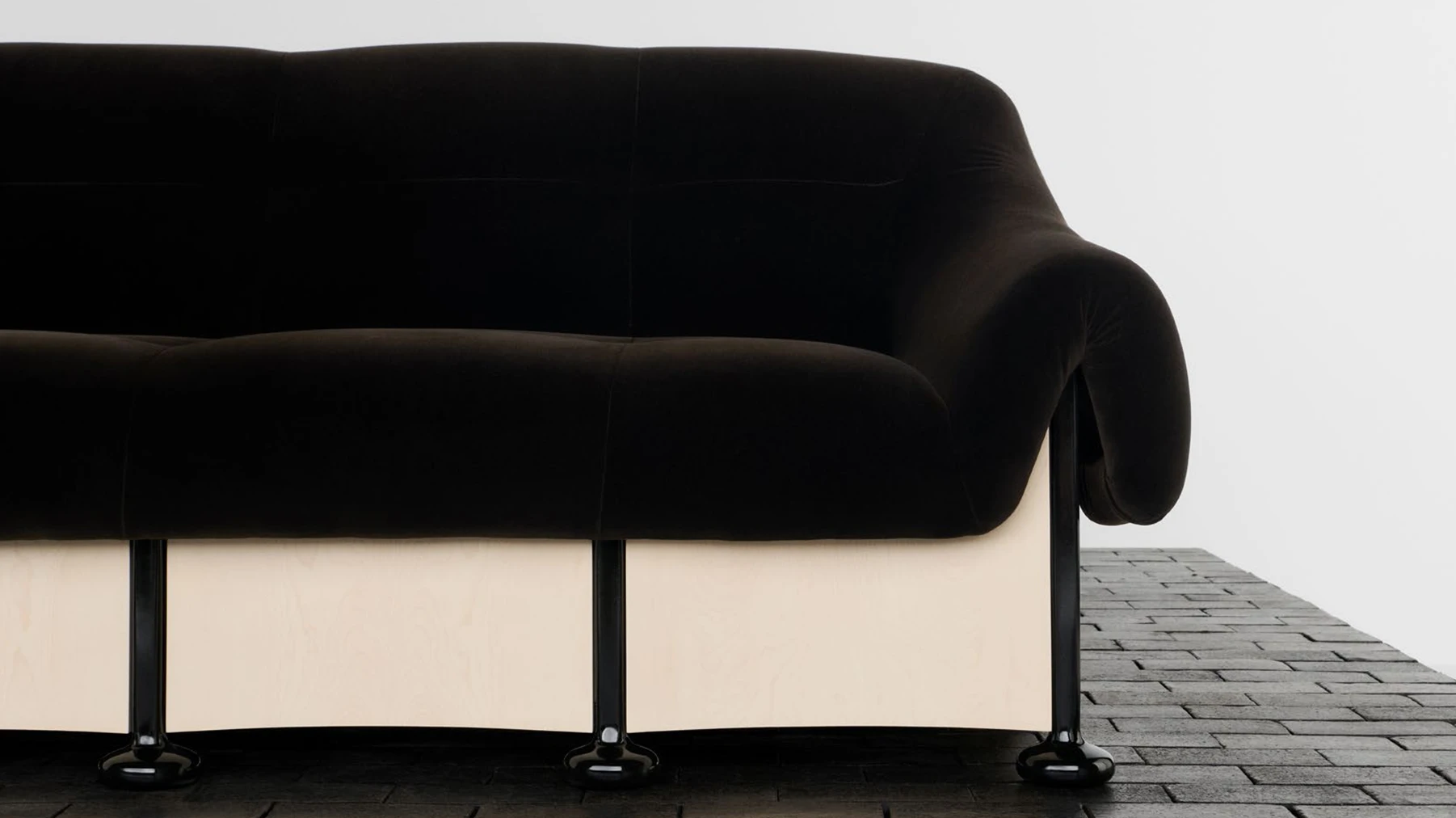
Photo: Alessio Bolzoni · © ZARA
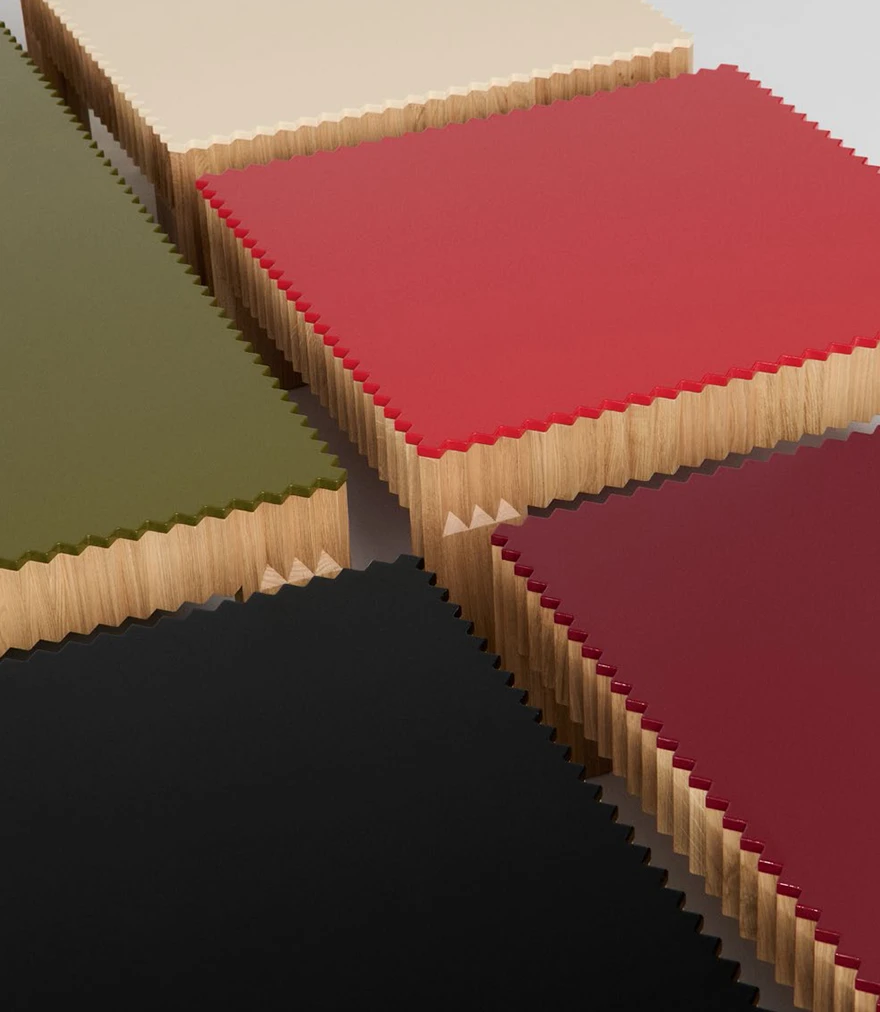
Photo: Alessio Bolzoni · © ZARA
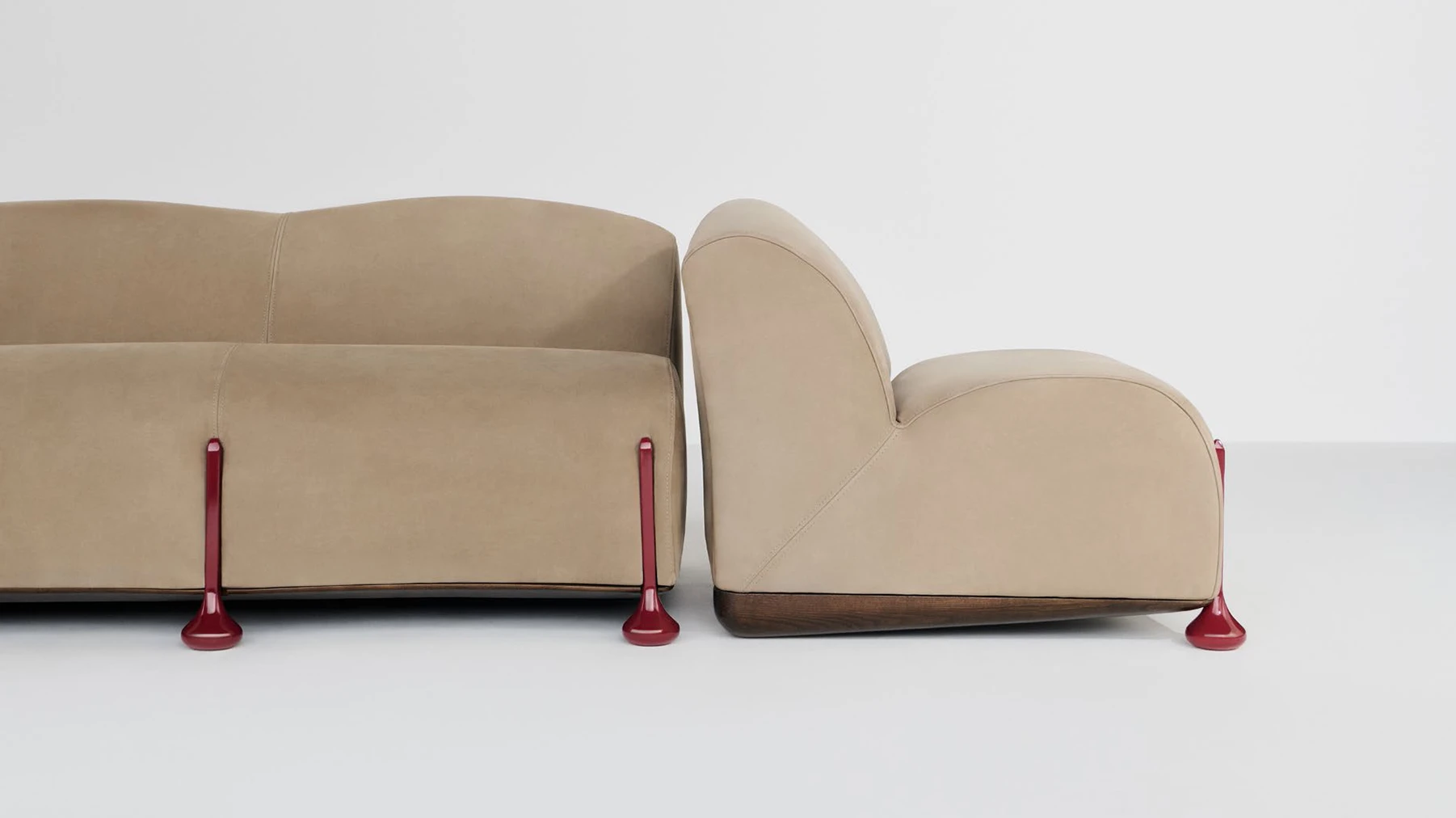
Photo: Alessio Bolzoni · © ZARA
Atlas of Desire
The collection represents one possible expression of a shared idea of domestic space. It brings together interests, references and ways of working developed over time through interiors and individual objects. At the centre of the project was the possibility of bringing the same level of attention usually associated with unique pieces to a large collection conceived for a much wider audience, while maintaining a coherent language and creating a world around it. Furniture, objects and clothing became different parts of the same project, connected through form, material and detail. The ready-to-wear develops through generous volumes, softened tailoring and a strong attention to materiality. An interest in the Japanese approach to proportion and volume can be seen in the way several garments move away from the body. Tweed, wool, viscose, leather, printed fabrics and sequins extend the palette and material research of the collection into clothing.
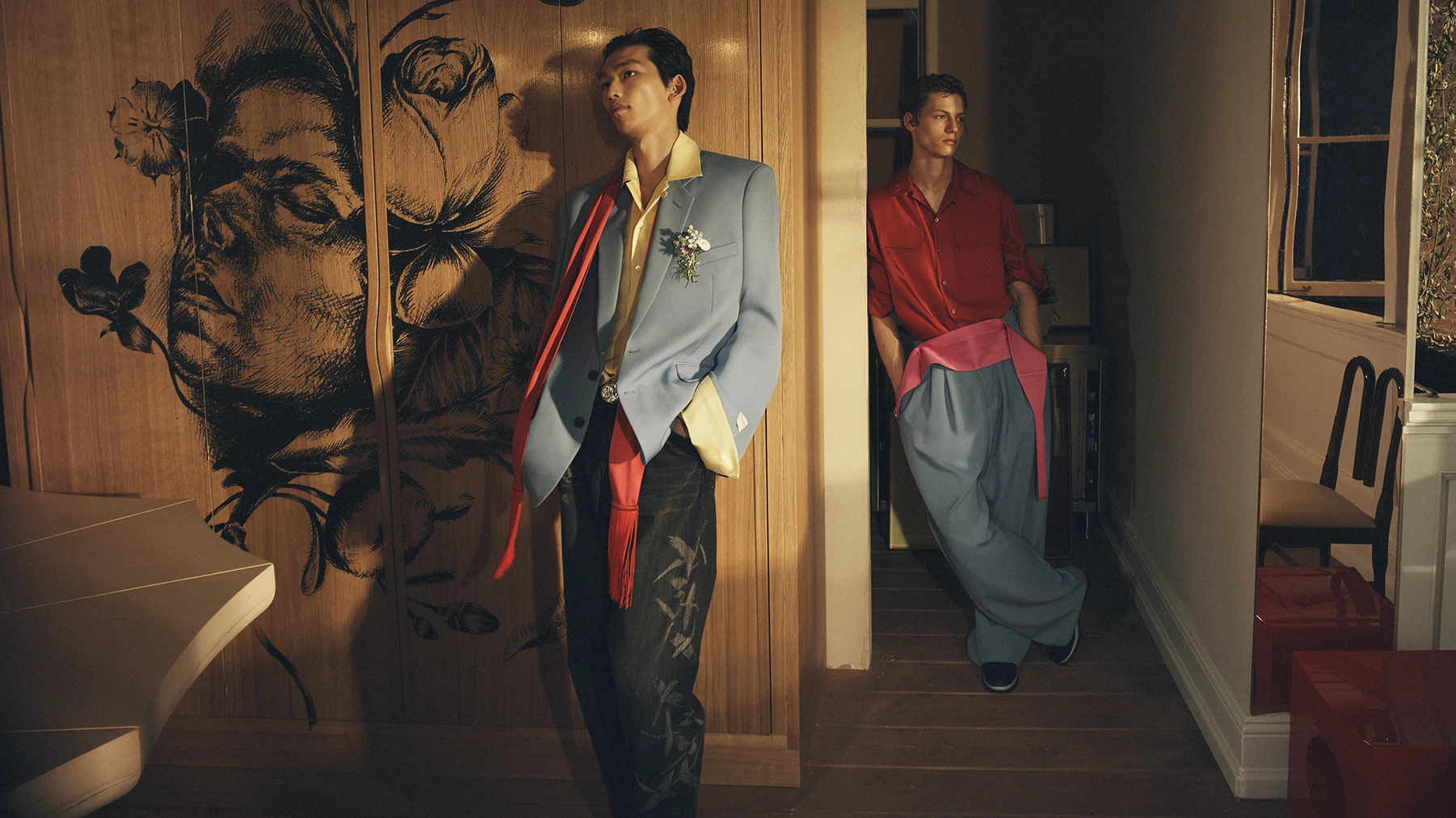
Photo: David Sims · © ZARA
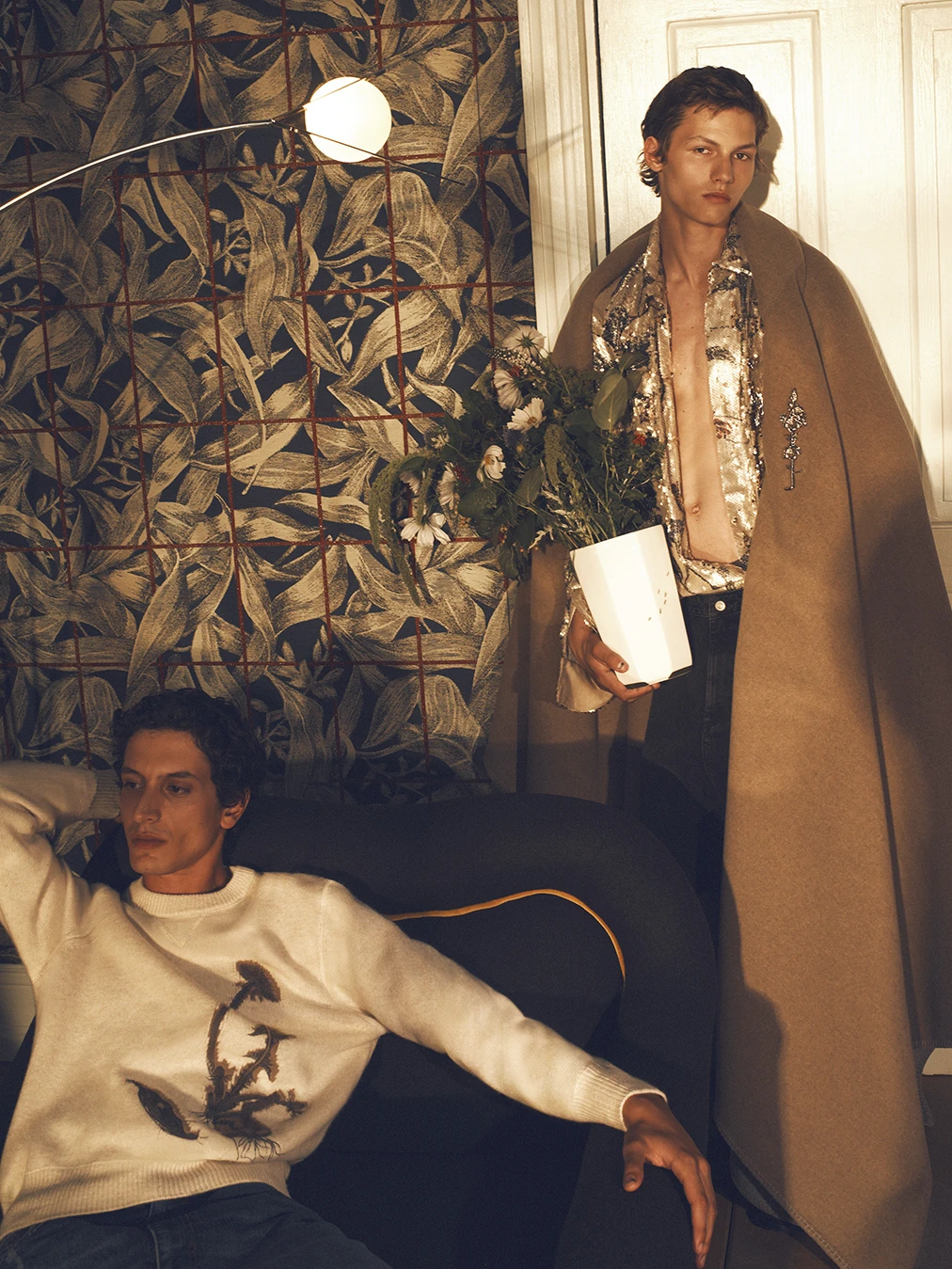
Photo: David Sims · © ZARA
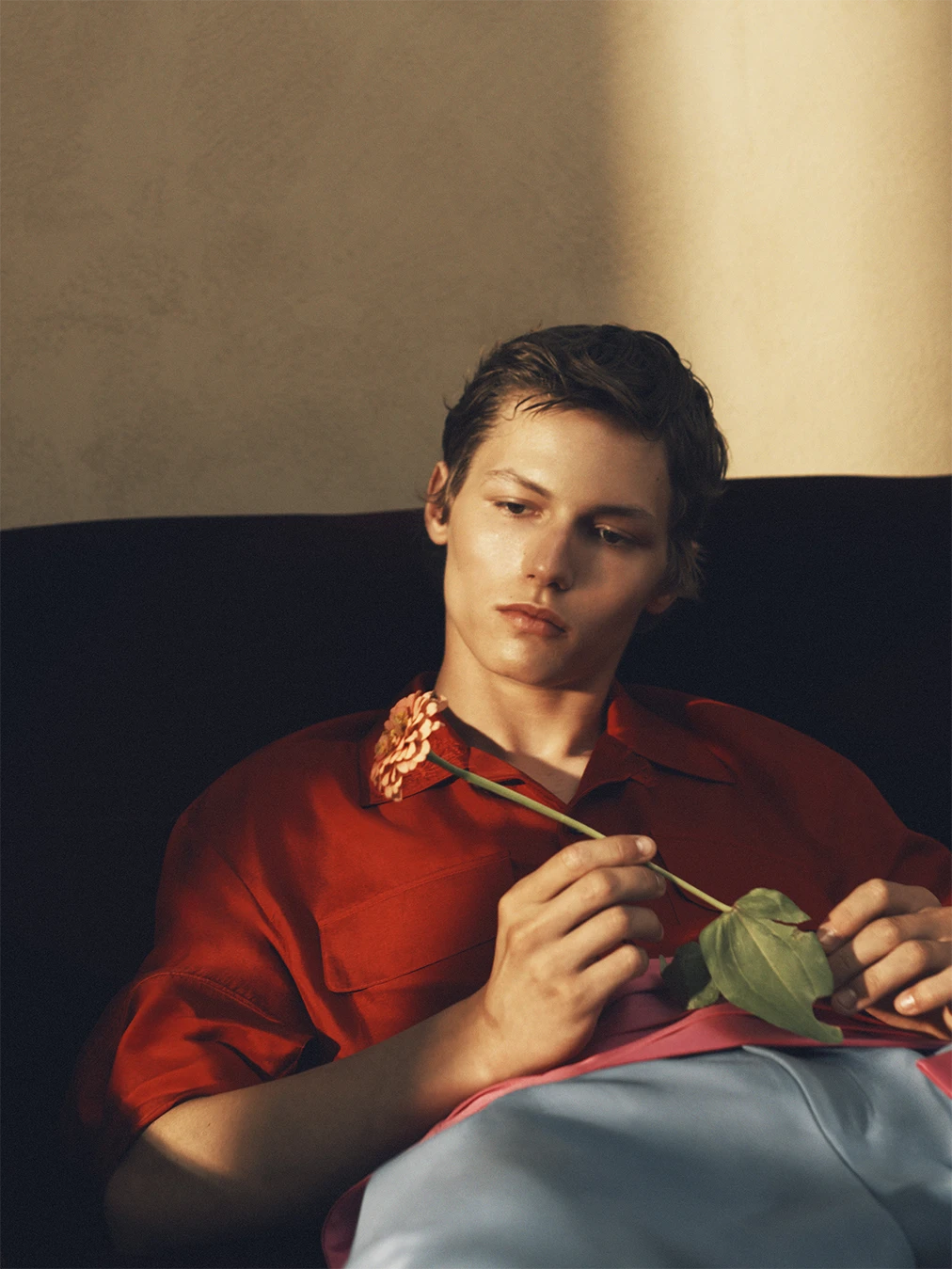
Photo: David Sims · © ZARA
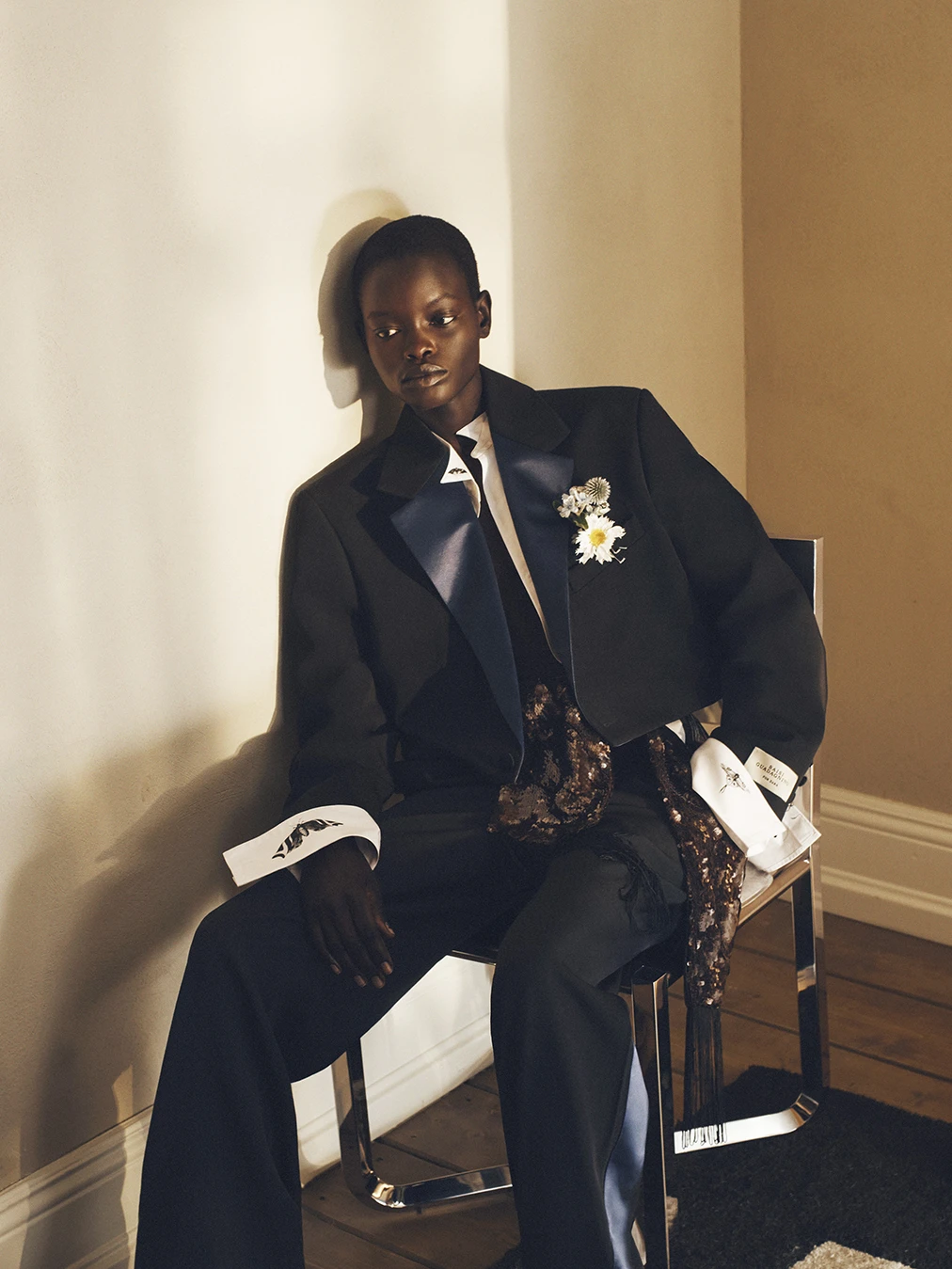
Photo: David Sims · © ZARA
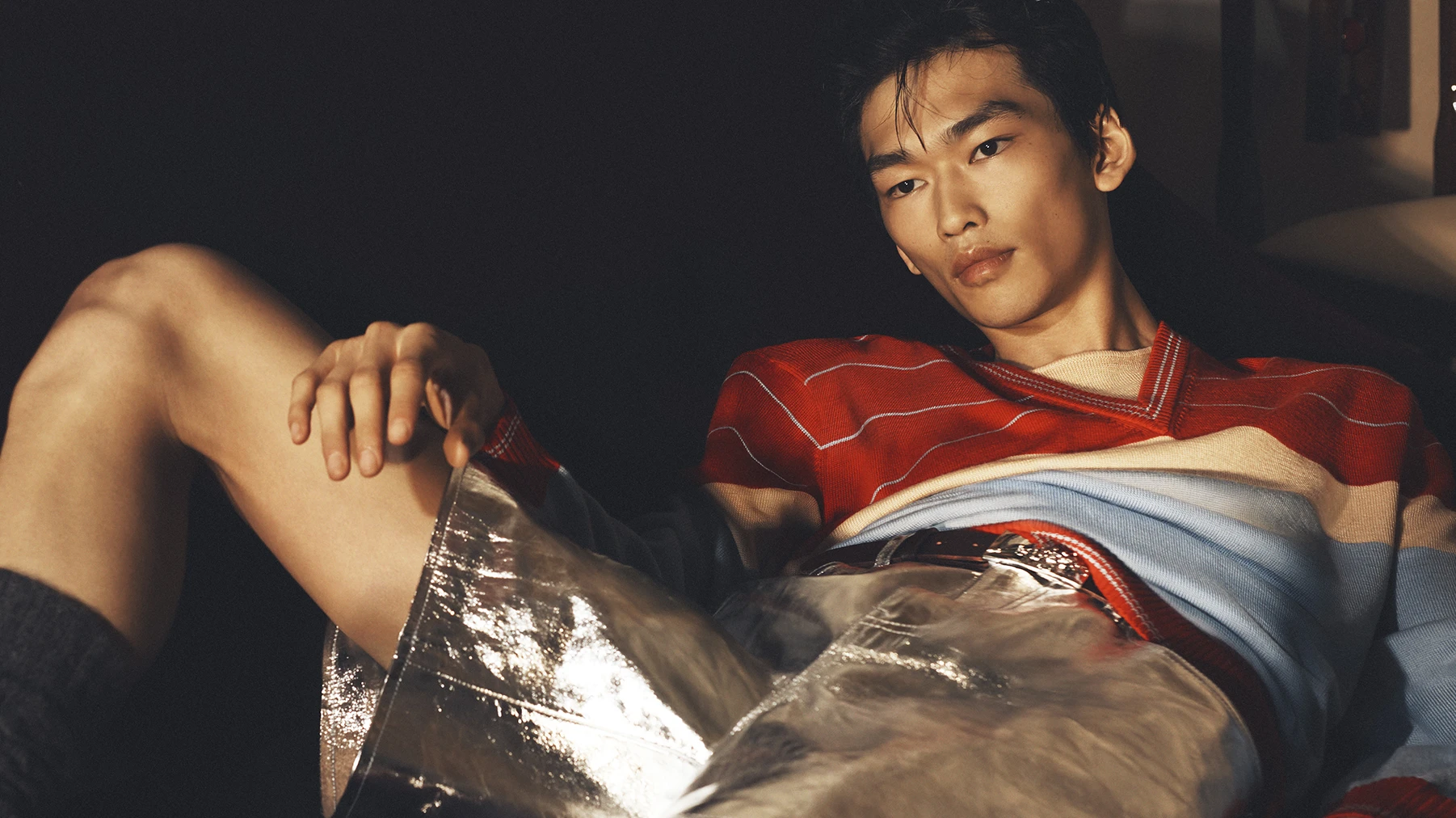
Photo: David Sims · © ZARA
Colour
Colour developed gradually through the design process and through a wider field of visual references. Cinema played an important role in this research, particularly the work of Jean-Luc Godard, Nagisa Oshima and Edward Yang and the way colour operates within their films. The resulting palette includes combinations that can feel harmonious or deliberately dissonant. These relationships extend across both Zara Home and Zara, creating connections between furniture, objects, textiles and clothing.
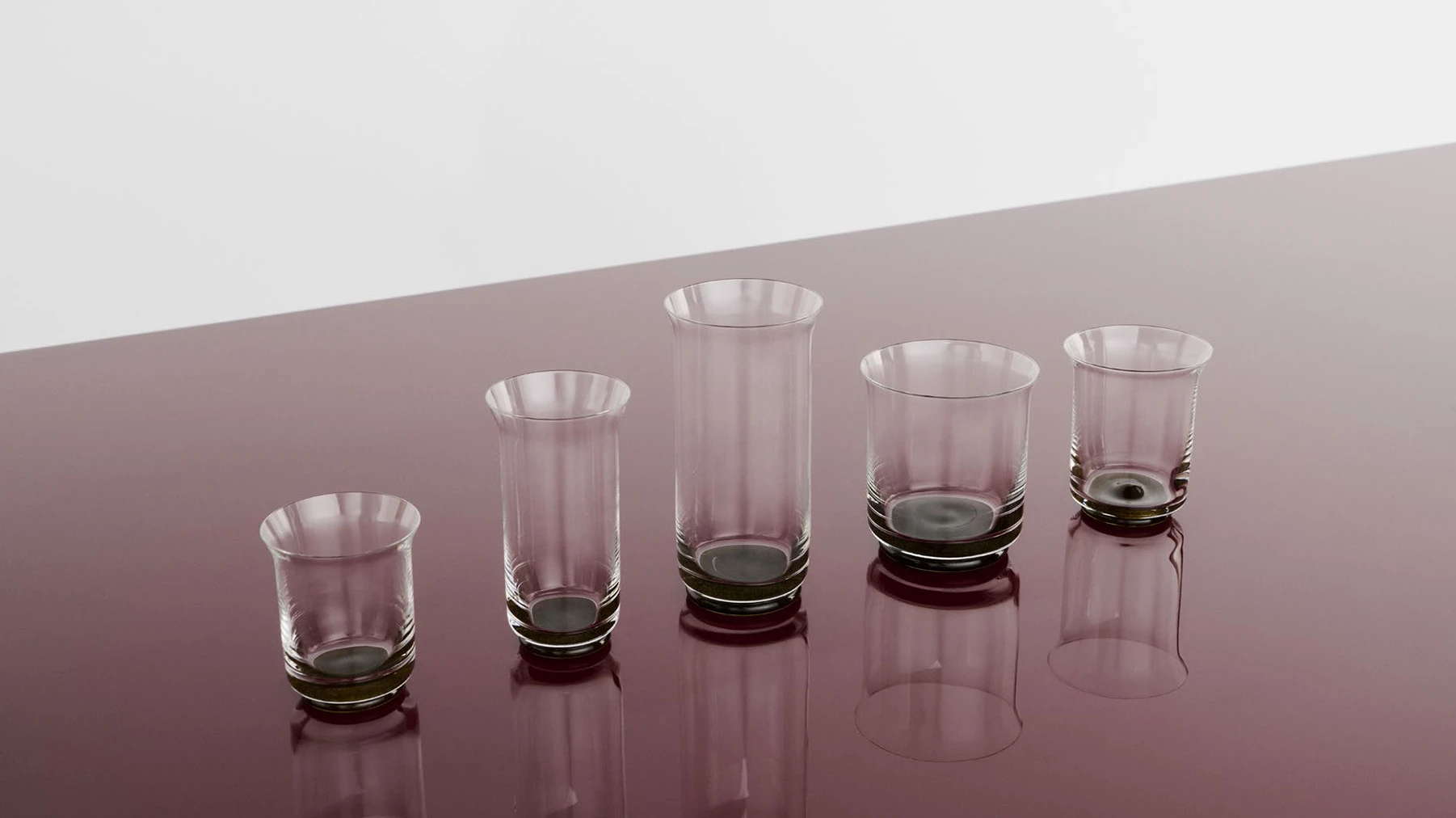
Photo: Alessio Bolzoni · © ZARA

Photo: Alessio Bolzoni · © ZARA
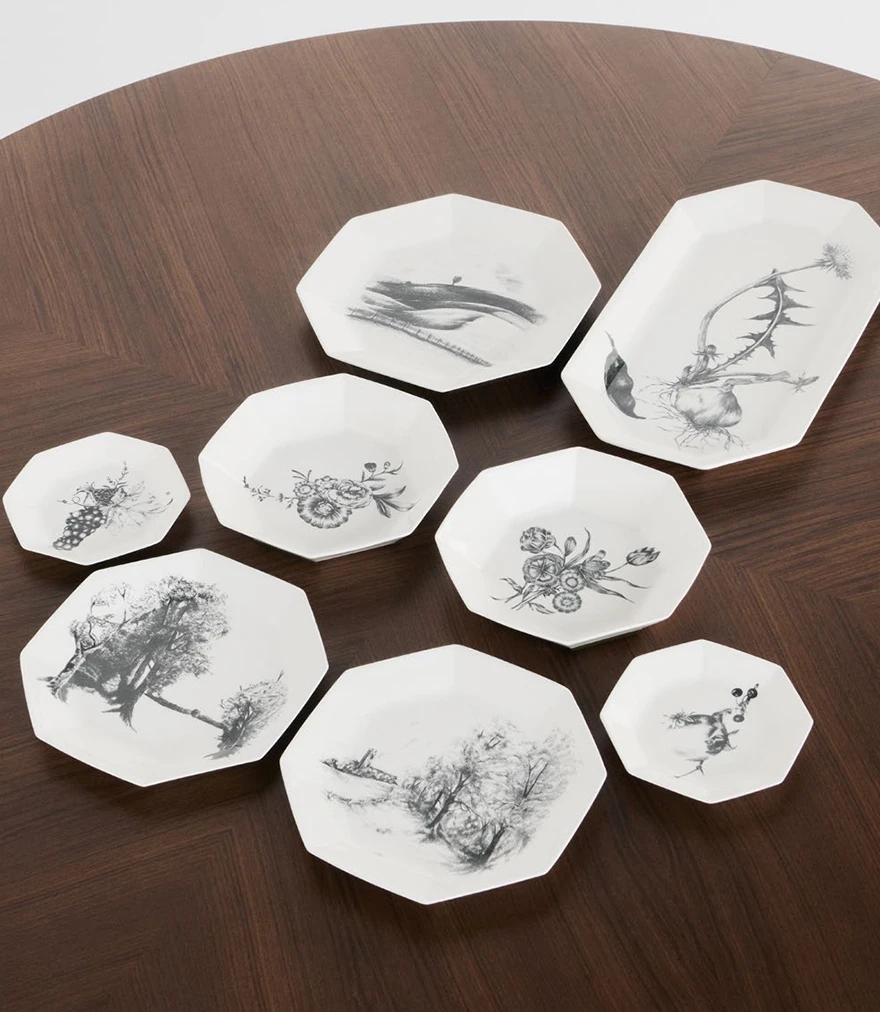
Photo: Alessio Bolzoni · © ZARA
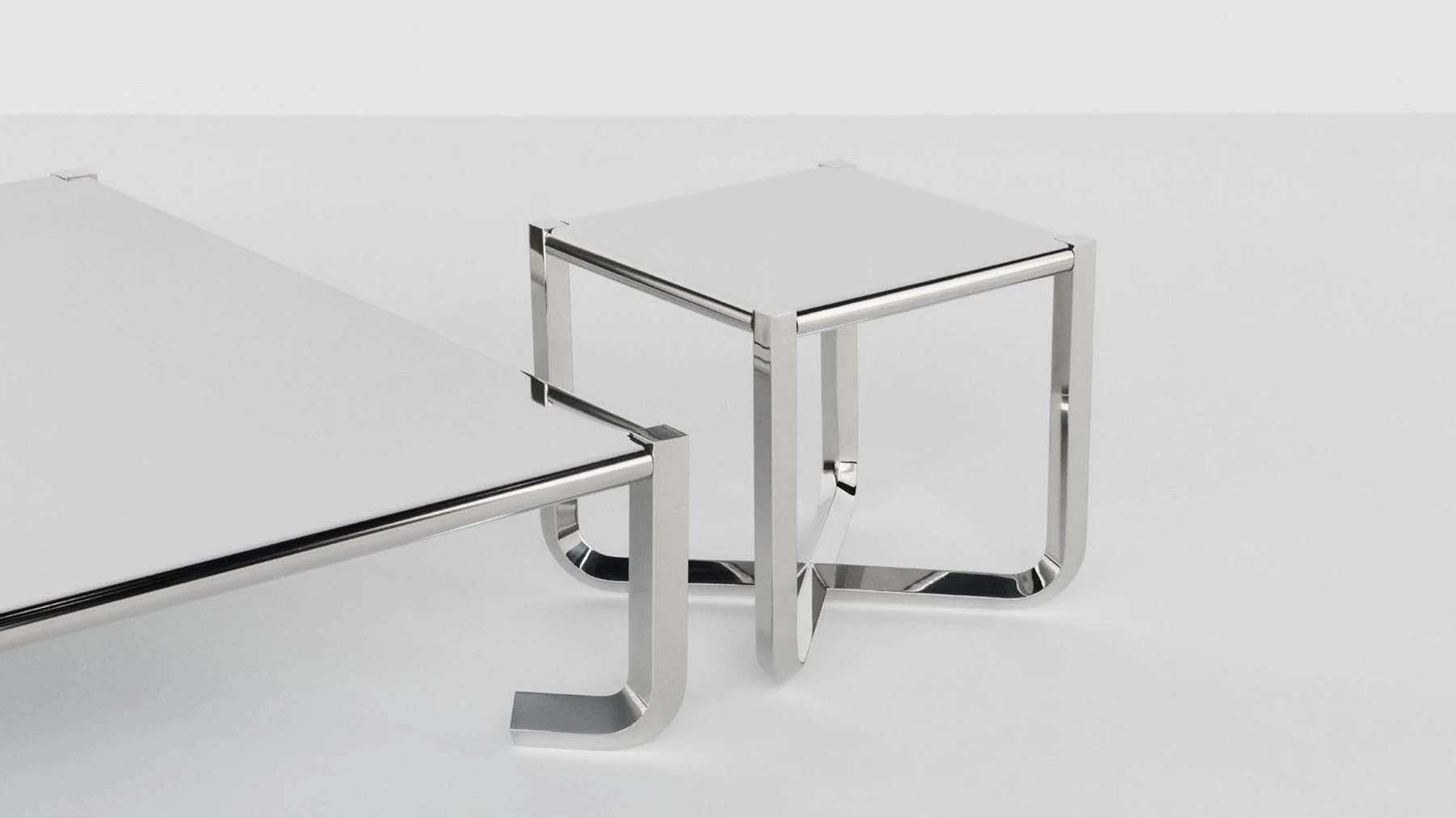
Photo: Alessio Bolzoni · © ZARA
Ornament and Geometry
A central point of reference was the relationship between the decorative geometry of the Vienna Secession and the Wiener Werkstätte and the formal reduction of modernism. From this research came a language that could move freely across different objects and scales, exploring how these influences could be reinterpreted today. A small silver and coral box by Koloman Moser became particularly important during this process. Its geometry was studied and translated to a different scale, eventually becoming a recurring element throughout the collection. The motif appears at different scales across furniture, objects and fashion. Its use in the shoes is one example of how the same geometry moves between the home collection and clothing and accessories. Another strand of the visual language developed through the work of Francesco Snote, an artist whose work has long been especially admired. His drawings introduced the use of charcoal and created a distinct figurative imagery within the collection.
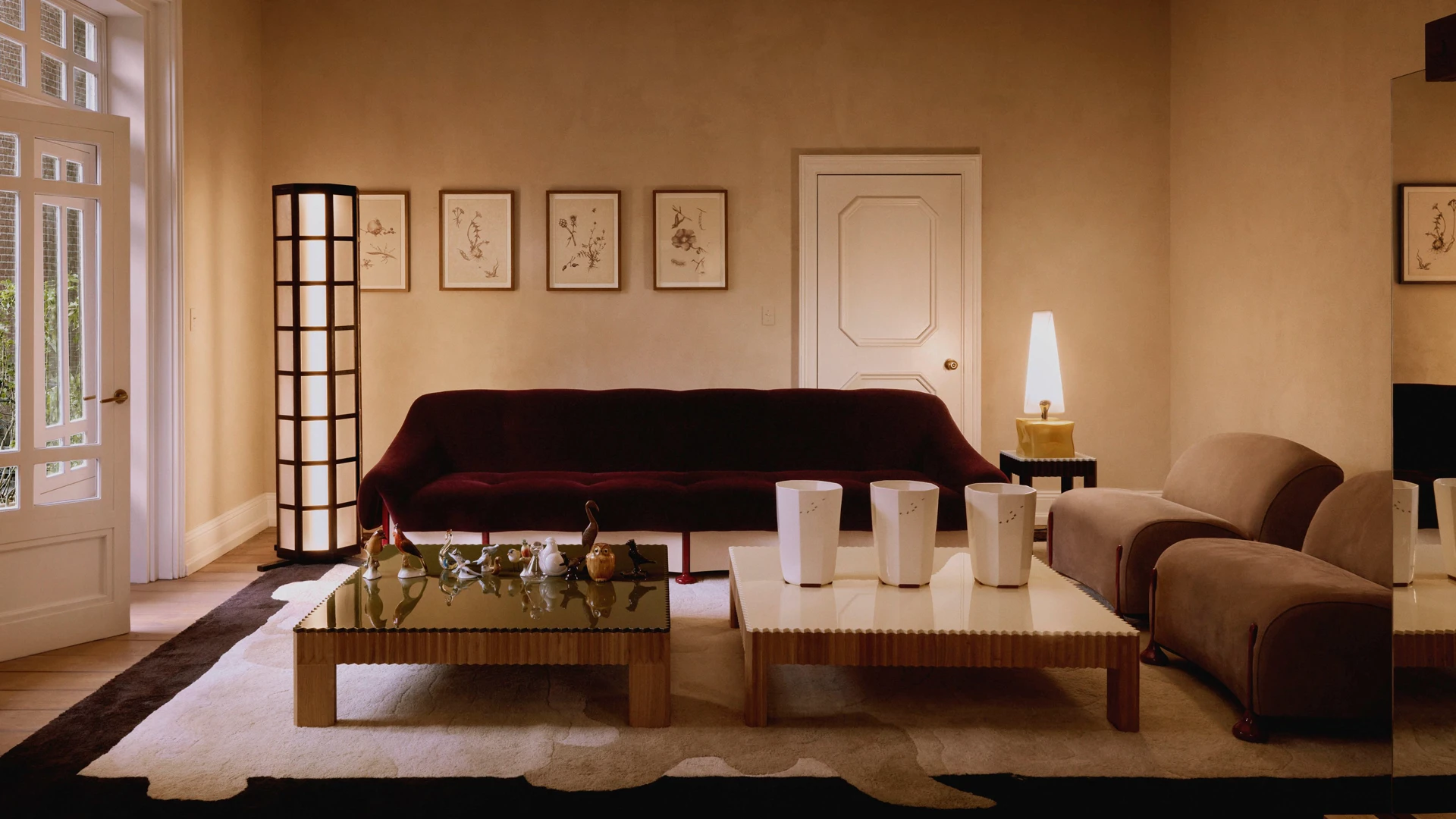
Photo: Valerie Sadoun · © ZARA
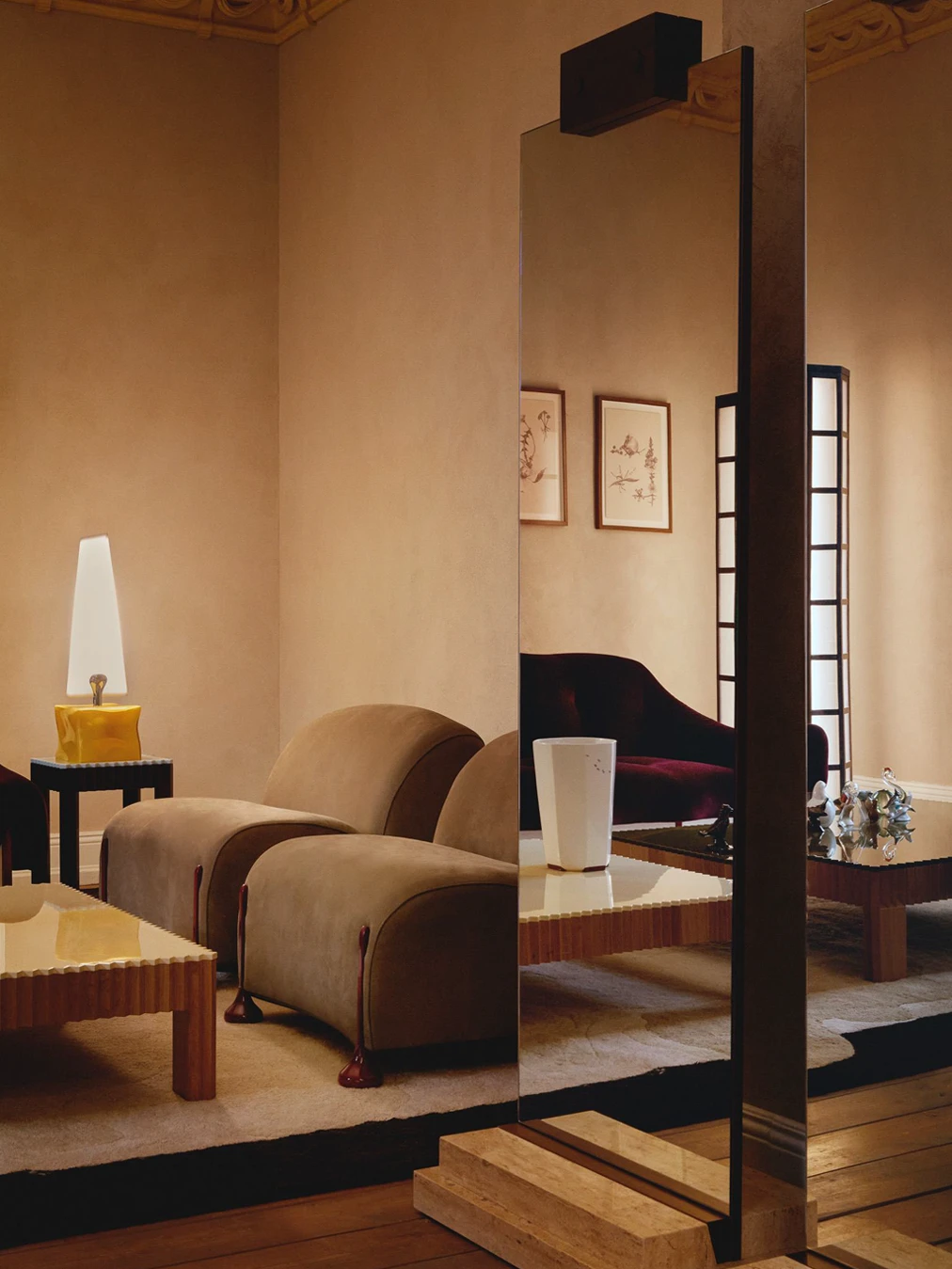
Photo: Valerie Sadoun · © ZARA
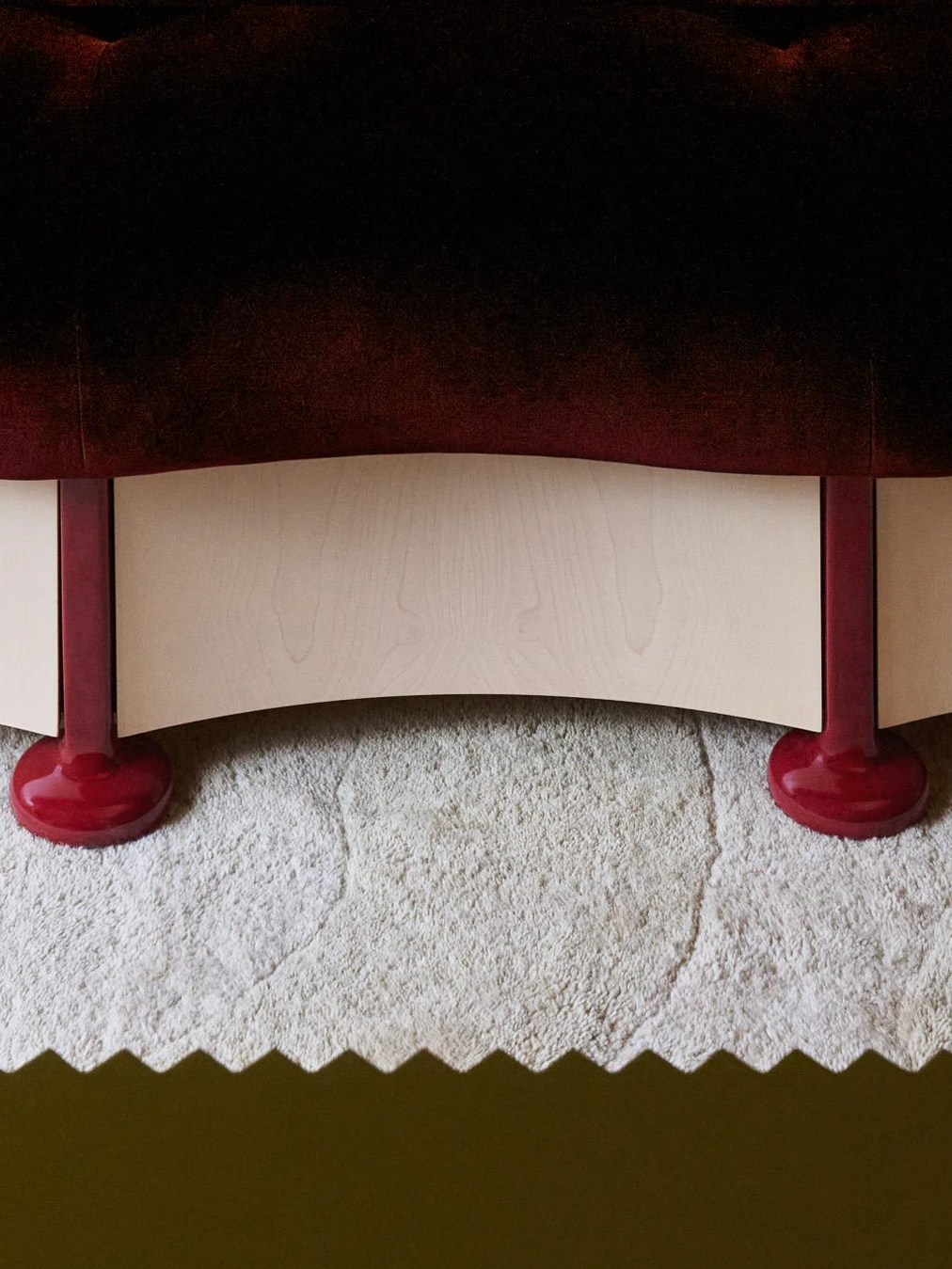
Photo: Valerie Sadoun · © ZARA
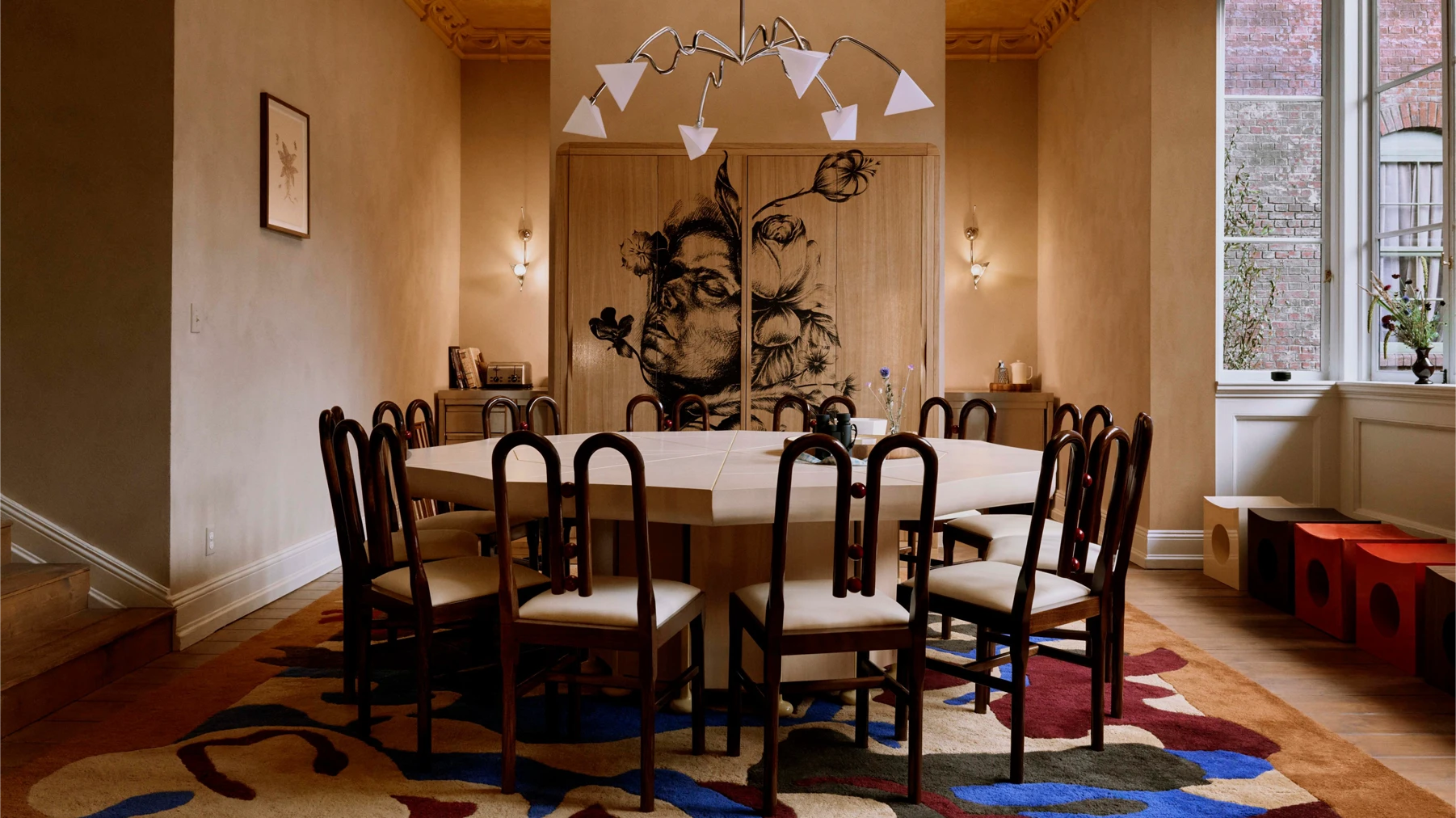
Photo: Valerie Sadoun · © ZARA
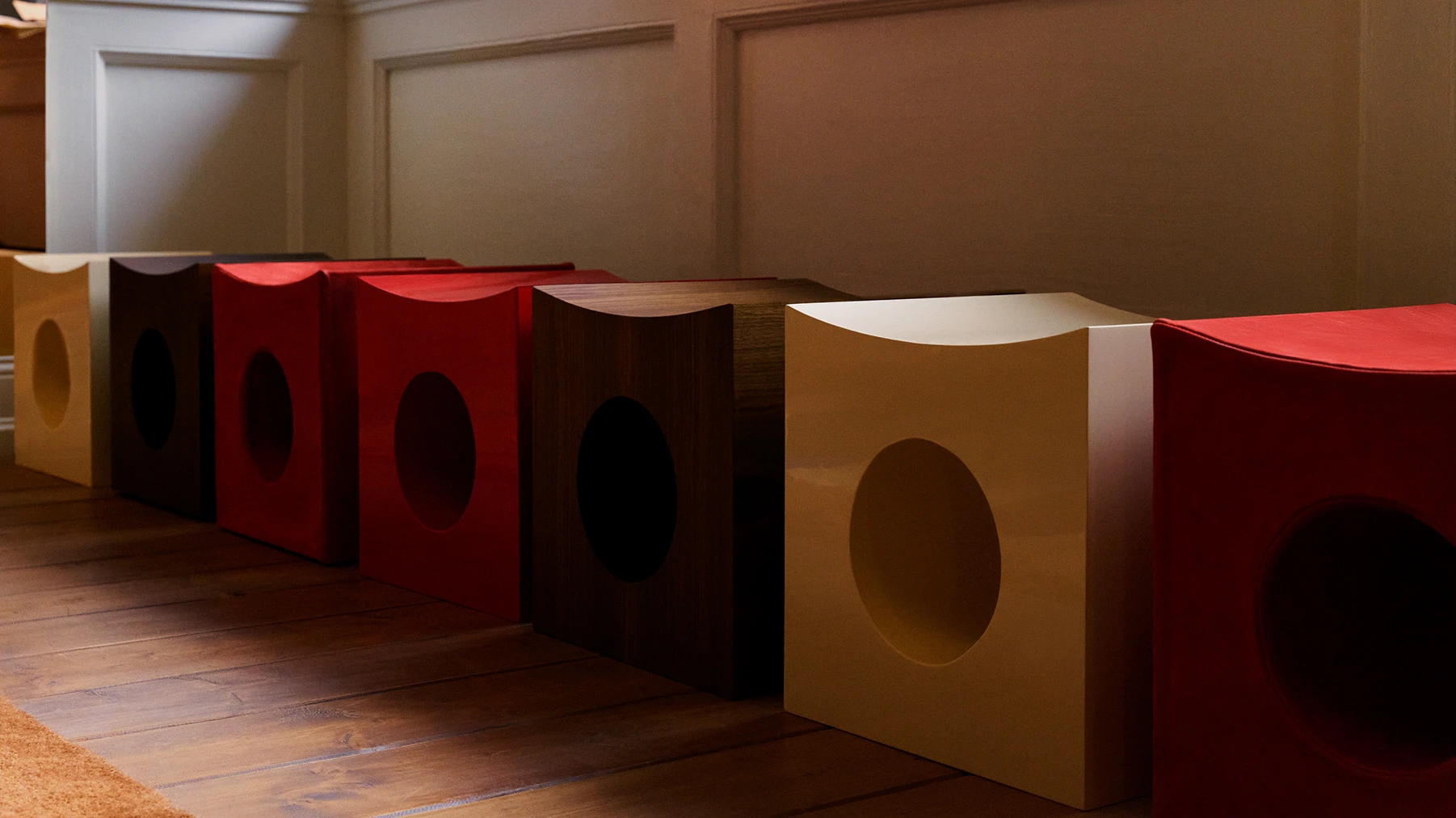
Photo: Valerie Sadoun · © ZARA
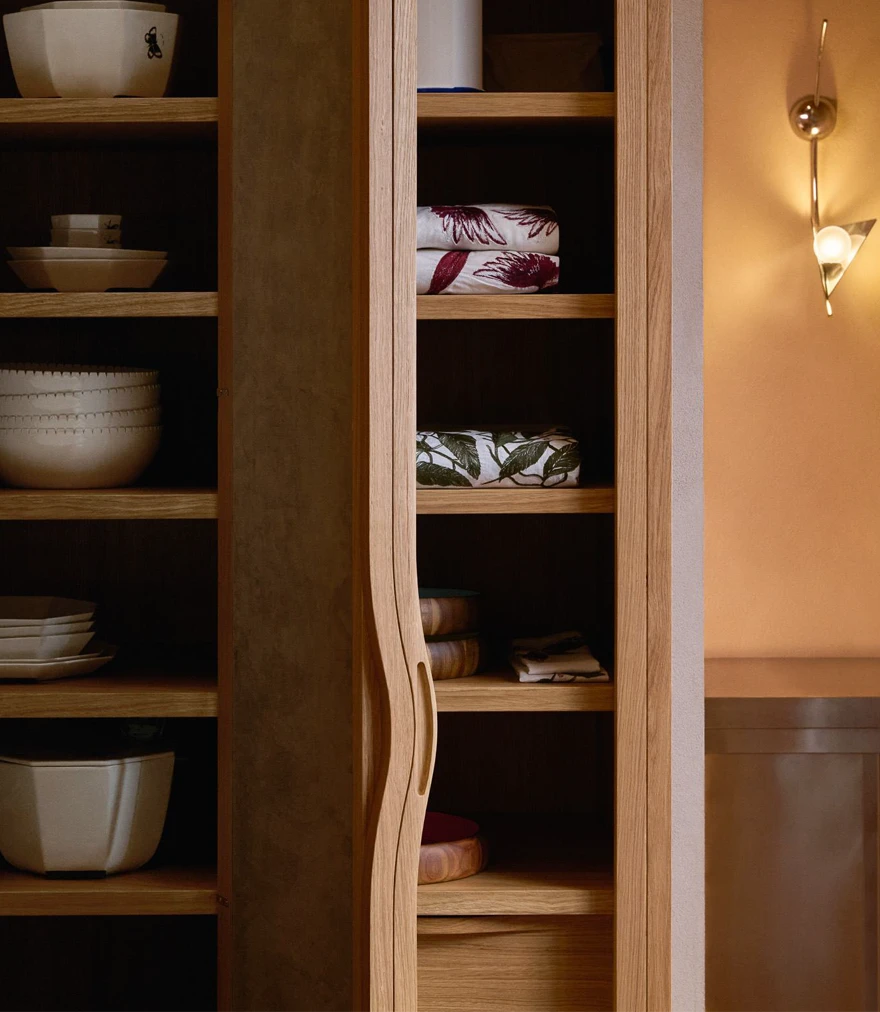
Photo: Valerie Sadoun · © ZARA
Materials
Polished steel became an important material in the collection. This can be seen particularly clearly in pieces such as the Orchid Floor Lamp, Sound Chandelier and Orbit Wall Lamp. Their forms combine simple and recognisable elements that can suggest something familiar without defining it completely: an animal, a plant or another figure. Alongside steel, softer materials such as wood, textiles and velvet are combined with coloured lacquered surfaces.
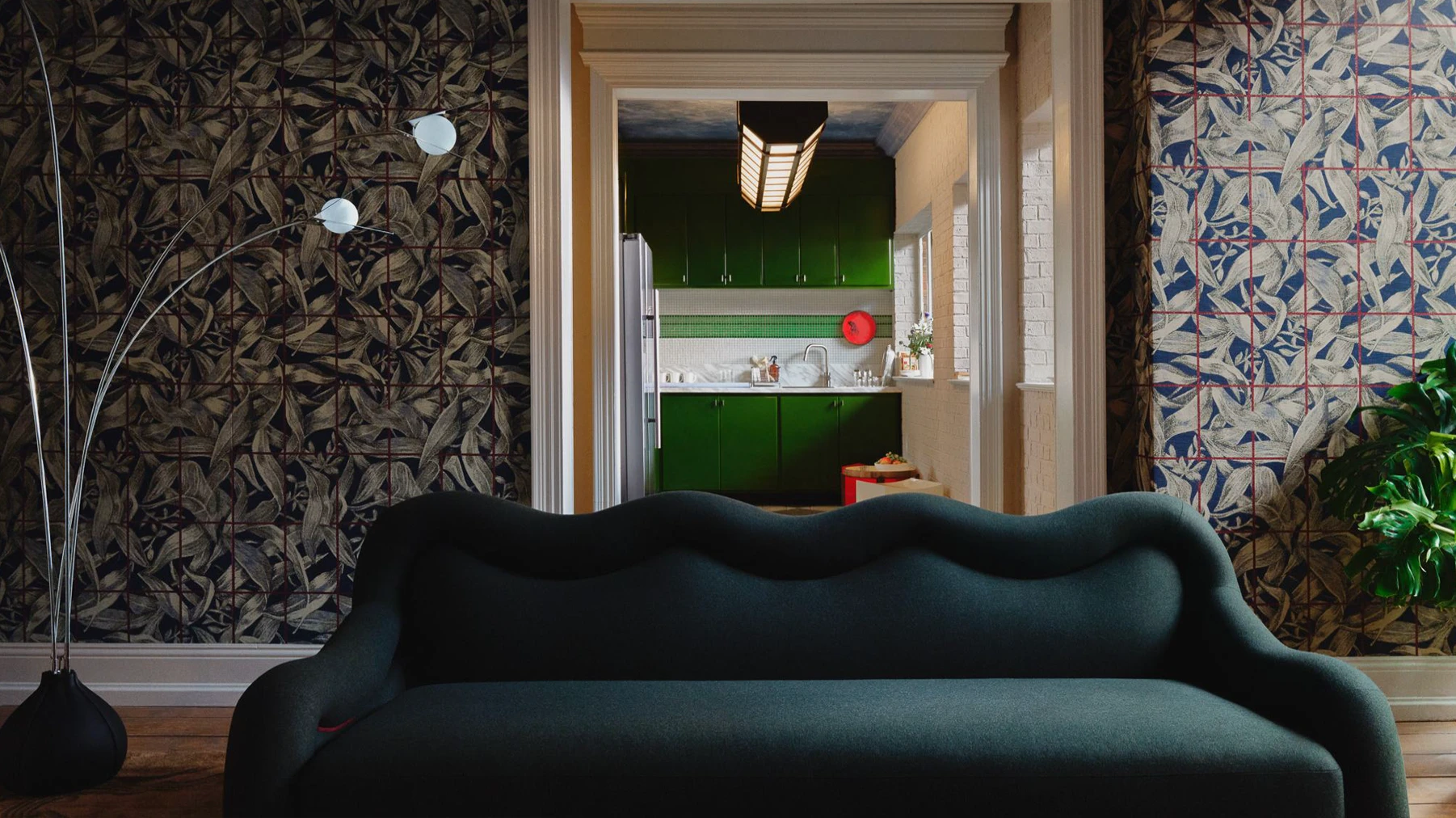
Photo: Valerie Sadoun · © ZARA
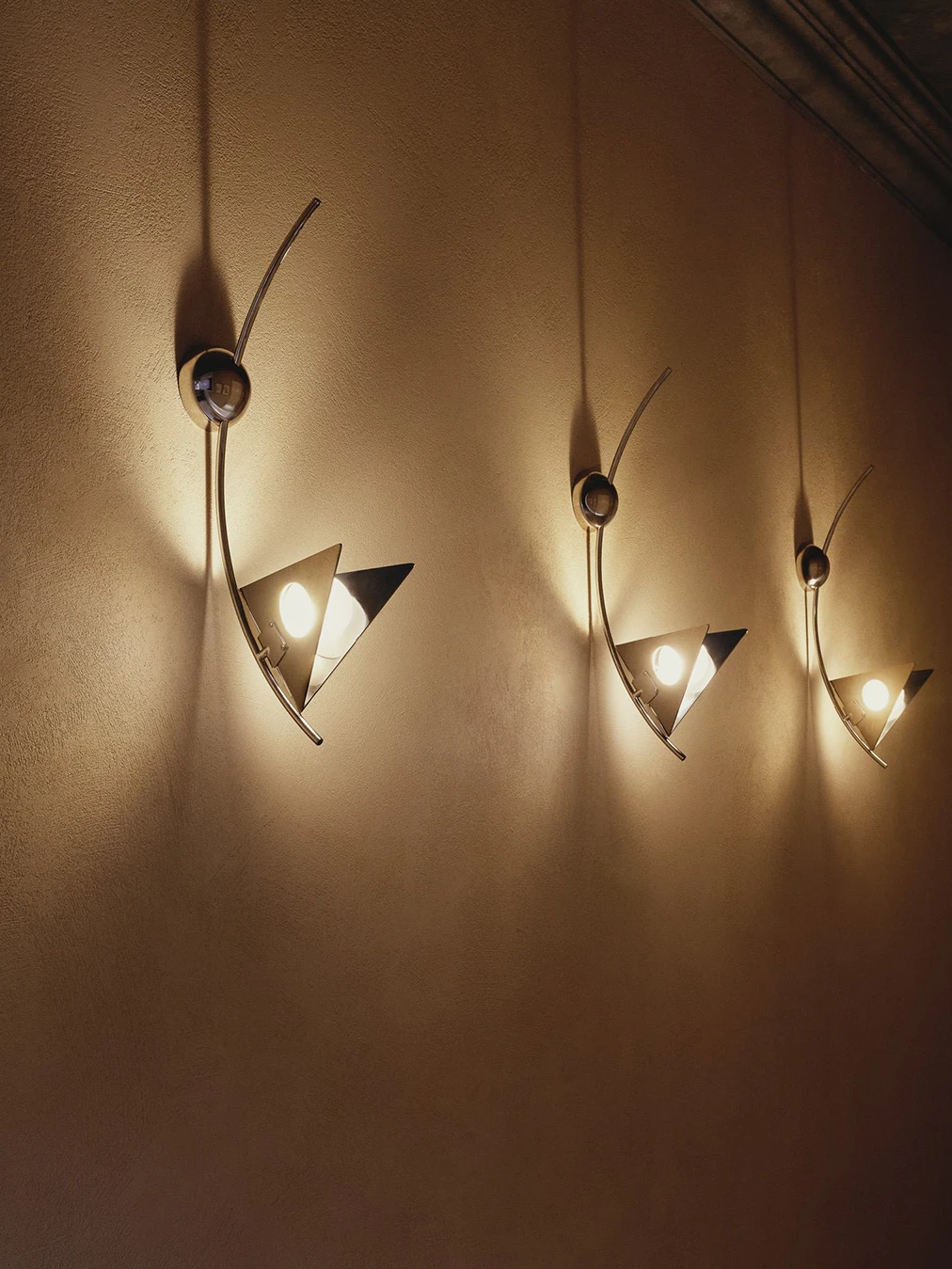
Photo: Valerie Sadoun · © ZARA
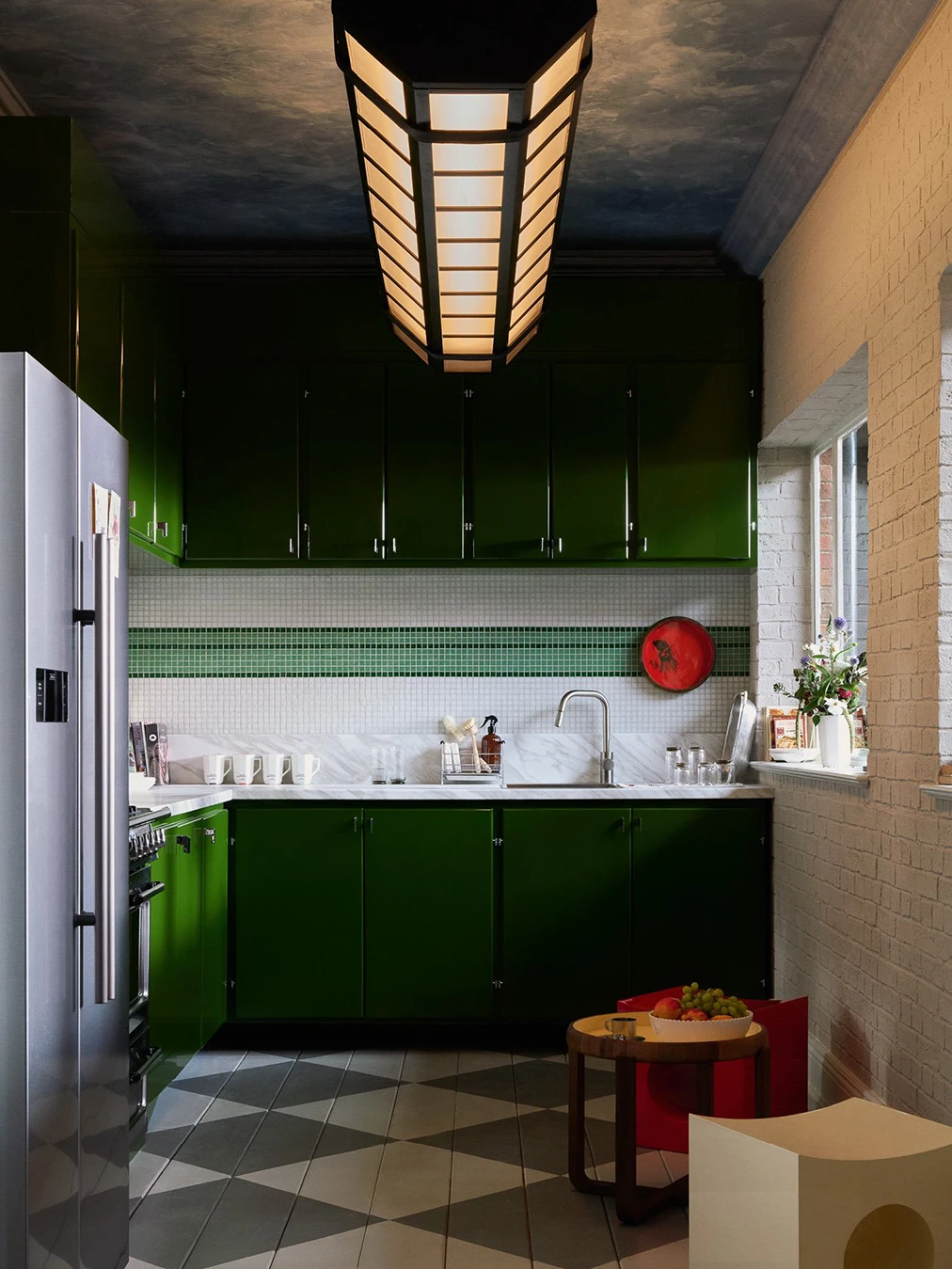
Photo: Valerie Sadoun · © ZARA
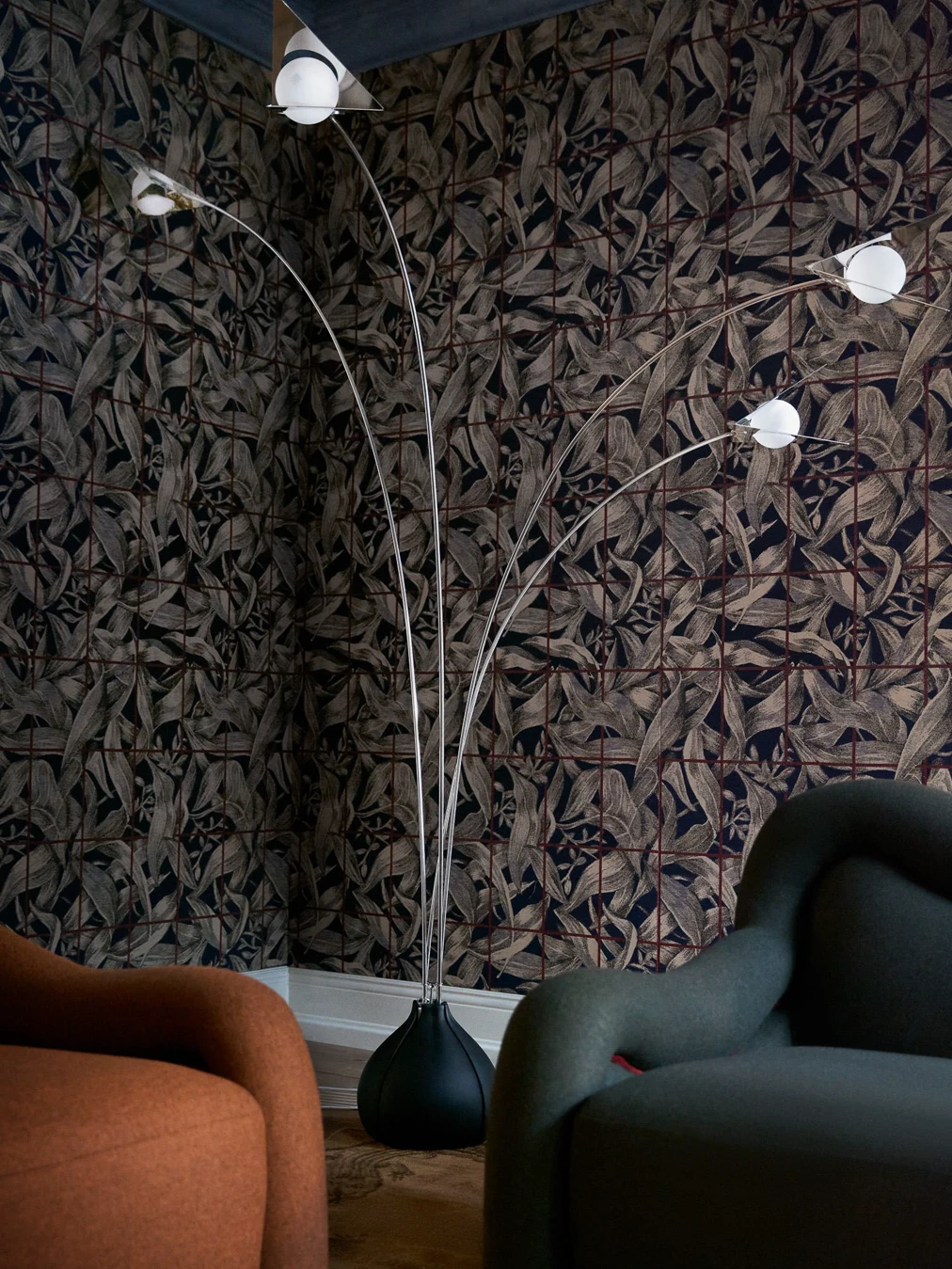
Photo: Valerie Sadoun · © ZARA
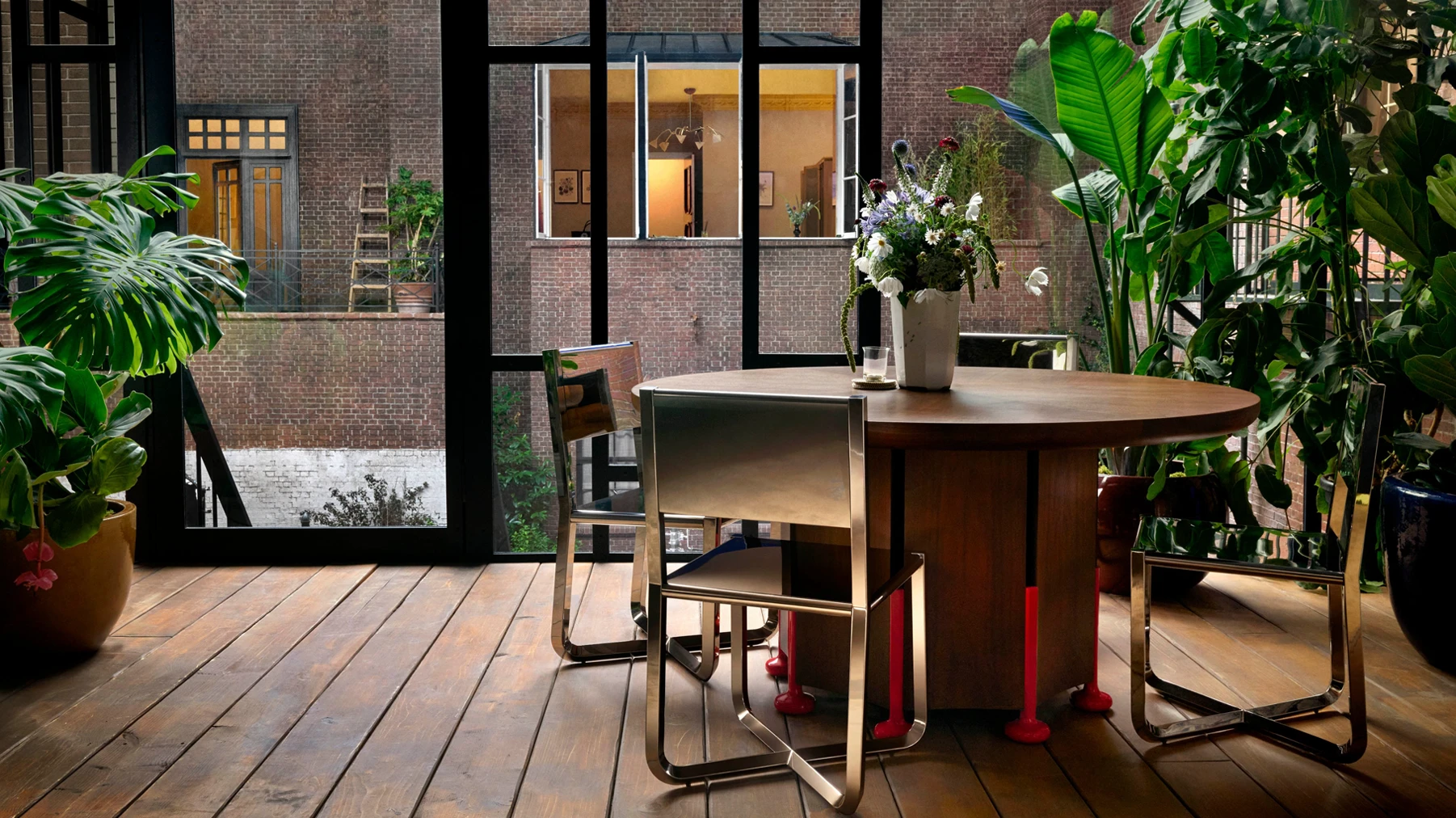
Photo: Valerie Sadoun · © ZARA
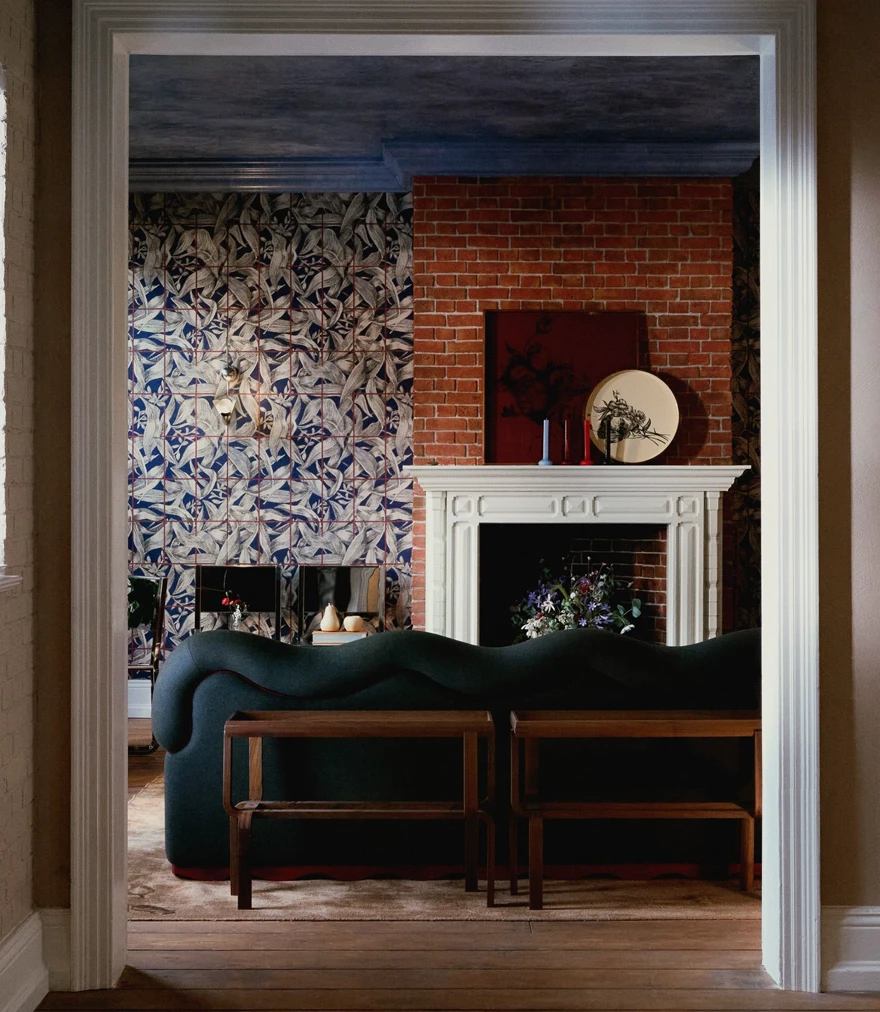
Photo: Valerie Sadoun · © ZARA
Campaigns and Lookbooks
The collection was presented through separate campaigns for Zara and Zara Home. David Sims photographed the Zara campaign. The Zara Home campaign was photographed by Valerie Sadoun within the same environment developed for the wider project. The Zara and Zara Home lookbooks were photographed by Alessio Bolzoni on a separate set, presenting the individual pieces.
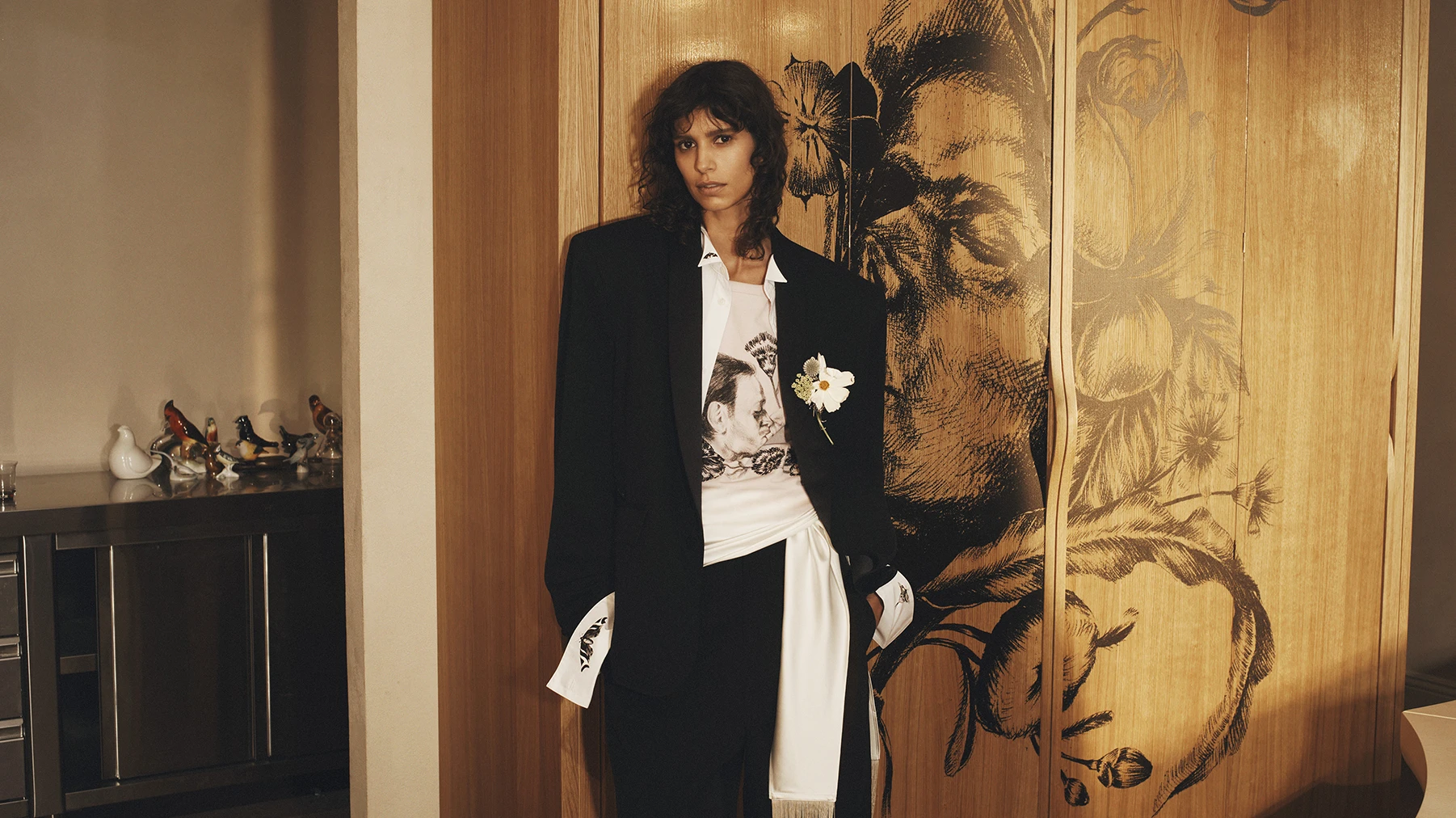
Photo: David Sims · © ZARA